
If you have a skin tag or mole that you think needs removing, you might be wondering ‘is skin lesion removal safe?’
The word ‘lesion’ sounds more alarming that what it actually is and it’s often this word that throws people off. However this is an umbrella term which clinicians use to describe a whole range of bumps and spots, from a harmless skin tag to a raised lump.
The positive thing is, most skin lesions are not dangerous. Before any type of removal takes place, a skin specialist will assess the area first to make sure it is benign (non-cancerous). Once this has been checked, you can book an appointment at a clinic such as LASE Cosmetic to remove it.
There are lots of reasons for skin lesion removal, such as the area bothering you when you’re wearing certain clothes, or if the lesion is affecting your confidence because of how visible it is.
Whatever the reason, skin lesion removal is a safe and effective way to achieve clearer-looking skin whilst giving you peace of mind.
What Is Skin Lesion Removal?
A skin lesion is essentially an area of skin that looks different from the surrounding skin, whether that be due to a change in colour, texture, shape, or appearance. Skin lesion removal is the process of removing this area if it is causing an issue. This might be due to irritation i.e. when you do certain activities or wear certain clothes, or if your clinician thinks it’s potentially dangerous.
There are lots of reasons why lesions are removed which we’ll discuss below, but essentially this procedure aims to remove unwanted or problematic lesions safely.
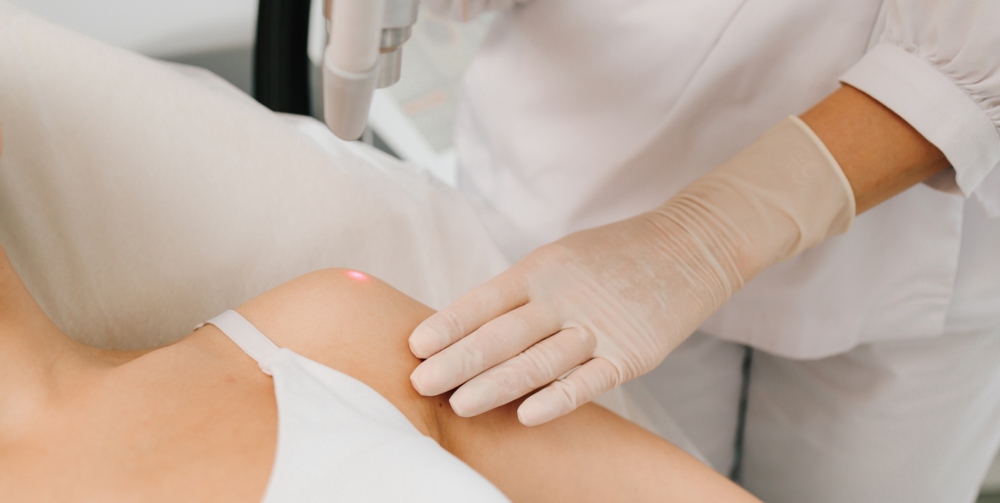
The two most common treatments offered at LASE Cosmetic are surgical excision and laser skin lesion removal. Both are effective procedures that can remove a range of benign skin lesions. Depending on the type and size of the lesion, your clinician may recommend an alternative treatment, but surgical and laser removal are suitable for many patients.
Our treatment options include:
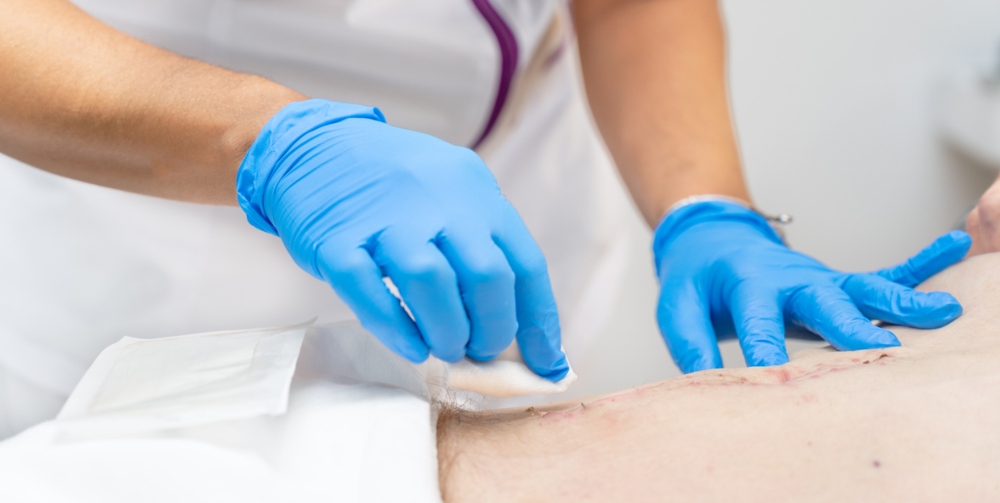
- Surgical excision – this is often recommended for raised moles, cysts and skin lesions that need to be removed completely. If required, it means the lesion can be sent for laboratory testing, making it a great option when a diagnosis needs confirming.
- Laser removal – this is often chosen for suitable benign lesions where precision is important. The laser targets the lesion while minimising damage to surrounding tissue, making it a great option for areas of the body that are visible.
- Other treatments – this includes shave removal, cryotherapy and topical treatments, which may be recommended for certain lesion types.
Is Skin Lesion Removal Painful?
Skin lesion removal procedures are designed to minimise pain or discomfort by using a local anesthetic where needed. For example direct excision, shave excision and laser removal are typically performed under local anaesthetic, which is administered through a small needle to numb the area surrounding the lesion.
Whilst you might feel a brief sting or pinch when the anaesthetic is injected as the area will be made completely numb, you should not feel any pain during the procedure. It’s also normal to feel some pressure, pulling or movement around the treatment area, but this should not be uncomfortable.
Cryotherapy does not usually require local anaesthetic as the treatment is very quick and any discomfort is generally mild and short-lived. You may experience a cold, stinging or burning sensation while the lesion is being frozen, followed by some tenderness, redness or swelling as the skin heals.
Regardless of which skin lesion removal method is used, your chosen clinician will provide aftercare advice to help support healing and minimise any discomfort.
Is Skin Lesion Removal Safe?
Skin lesion removal is a commonly performed procedure and, when carried out by an experienced medical professional, is considered very safe. At LASE Cosmetic, we have over 40 years of combined experience across surgical and non-surgical treatments.
Having a skin lesion removed can feel daunting, especially if you are unsure what to expect or why the procedure has been recommended. That’s why every patient begins with a one-to-one consultation so you can ask questions and understand the most suitable treatment options.
All procedures at LASE Cosmetic are carried out in a fully CQC-certified environment, following high standards for safety and patient care. Your clinician will talk you through the process, explain any risks and give you clear aftercare advice to support a smooth recovery.
Need Help Deciding Which Treatment Is Right For You?
Book your consultation with our experts here.
Skin Tag Removal During Pregnancy
Skin tags (a benign skin lesion) can develop during pregnancy due to hormonal fluctuations and increased friction around areas where skin rubs together. Whilst these can be a bit of a nuisance, they are not harmful to the mother or baby and can naturally regress after giving birth.
After the first trimester (the first 12 weeks of pregnancy), these skin tags can be safely removed by snipping with sterile scissors or through cryotherapy (freezing), if they are causing discomfort or irritation.
That said, other treatment options such as laser therapy or those requiring local anaesthetic are generally postponed until after delivery. Speak to your clinician if you have any questions regarding skin tag removal during pregnancy.
What Is the Aftercare for Skin Lesion Removal?
After your skin lesion has been removed, it’s normal to experience some mild swelling, tenderness or redness around the treated area. This is all part of the healing process and your clinician will give you aftercare advice.
The most important thing is keeping the area clean and dry for the first couple of days. This allows the skin to heal properly and reduces the risk of bacteria getting into the wound. Once your clinician has advised that you can remove the dressing, you can shower as normal, but you should avoid soaking the treated area in a bath or swimming pool until it has fully healed.
Your clinician might also recommend applying petroleum jelly, as this can help keep the wound moist and prevent scabbing.
Depending on the type of treatment you’ve had, they might also advise you to protect the area from direct sunlight by keeping it covered or applying a high-factor sunscreen once the skin has healed sufficiently. Following your aftercare advice carefully will give your skin the best chance of recovery.
Why Might Lesions Need to Be Removed?
There are lots of reasons why you might have a skin lesion removed. Some of these are purely cosmetic (i.e. you’re self-conscious about the way they look), whilst other reasons might be due to a medical concern.
All skin lesions need to be assessed by a clinician who will be able to determine the best course of action, whether removal is recommended and which treatment method is most suitable.
Some reasons why a skin lesion is removed are:
- Cosmetic reasons: It’s common for people to feel self-conscious about a skin lesion, particularly if it’s in a visible place (i.e. on your face or neck). Removal can help improve the appearance of the skin so you feel more confident.
- Hygiene: If the lesion is in an area such as the scalp or in skin folds, it can sometimes make washing or applying skincare products more difficult.
- Discomfort: As skin lesions can be raised, they can cause irritation and rub against things like clothing and jewellery.
- Medical reasons: If a skin lesion is assessed and there have been any changes in its shape, colour or size, it may be recommended for removal so it can be examined further.
- Diagnosis: If the skin lesion cannot be identified through a clinical examination alone, a clinician may recommend removing it so it can be sent to a laboratory for further analysis.
It’s important to note that skin lesion removal is only available on the NHS if there is a suspected medical concern. The NHS will not remove benign (non-cancerous) lesions so you would have to choose a private clinic.
Skin Lesion Removal Risks
While skin lesion removal is generally safe, as with any procedure, there can be small risks. However by choosing a trusted, reputable clinic, you can be confident that you’re in safe hands. That’s why doing your research beforehand is key as you want to feel comfortable before going ahead.
Possible side effects and risks of skin lesion removal are:
- Temporary redness
- Swelling around the treatment area
- Scarring
- Changes to the skin
- Minor bleeding or bruising
- Infection (uncommon)
These will be discussed during your consultation so you can make the right choice about your treatment.
Skin Lesion Removal Safety FAQs
Below are some frequently asked questions around skin lesion removal, helping you understand the safety of this procedure.
Can I drive home after skin lesion removal?
You can usually drive home after a skin lesion removal procedure with local anaesthetic. Since this only numbs the area being treated and doesn’t affect your overall mental state or motor skills, you should feel fine to drive afterwards. If you were having multiple lesions removed, your surgeon may advise you to organise transport after your procedure.
How much is skin lesion removal?
The cost of skin lesion removal varies depending on the clinic and location you choose. At LASE Cosmetic, we are a plastic surgery hospital in Newcastle. Skin lesion removal starts at 500 for one lesion, or £650 for up to three.
Is Skin Lesion Removal Safe? A Simple Guide for Patients
Skin lesion removal is a safe and effective way of removing lesions such as moles, skin tags, warts, cysts, benign growths and other unwanted skin lesions. Whether it’s to improve your confidence or because your clinician suspects it could cause issues in the future, removing the lesion can help you feel more confident and reassured about your skin.
At LASE Cosmetic, we offer skin lesion removal for either a single lesion or a course of three, giving you the flexibility to choose the treatment that best suits your needs. Choosing to undergo any type of procedure is a big decision, so it’s important to find a clinic you can trust. All of our clinicians are fully qualified and carry out treatments in a fully CQC-regulated environment, so you can be confident you’re receiving the highest standards of care and safety.
Book your consultation below and a member of our team will discuss the most suitable skin lesion removal option for you.
Need Help Deciding Which Treatment Is Right For You?
Book your consultation with our experts here.
Recent Comments