
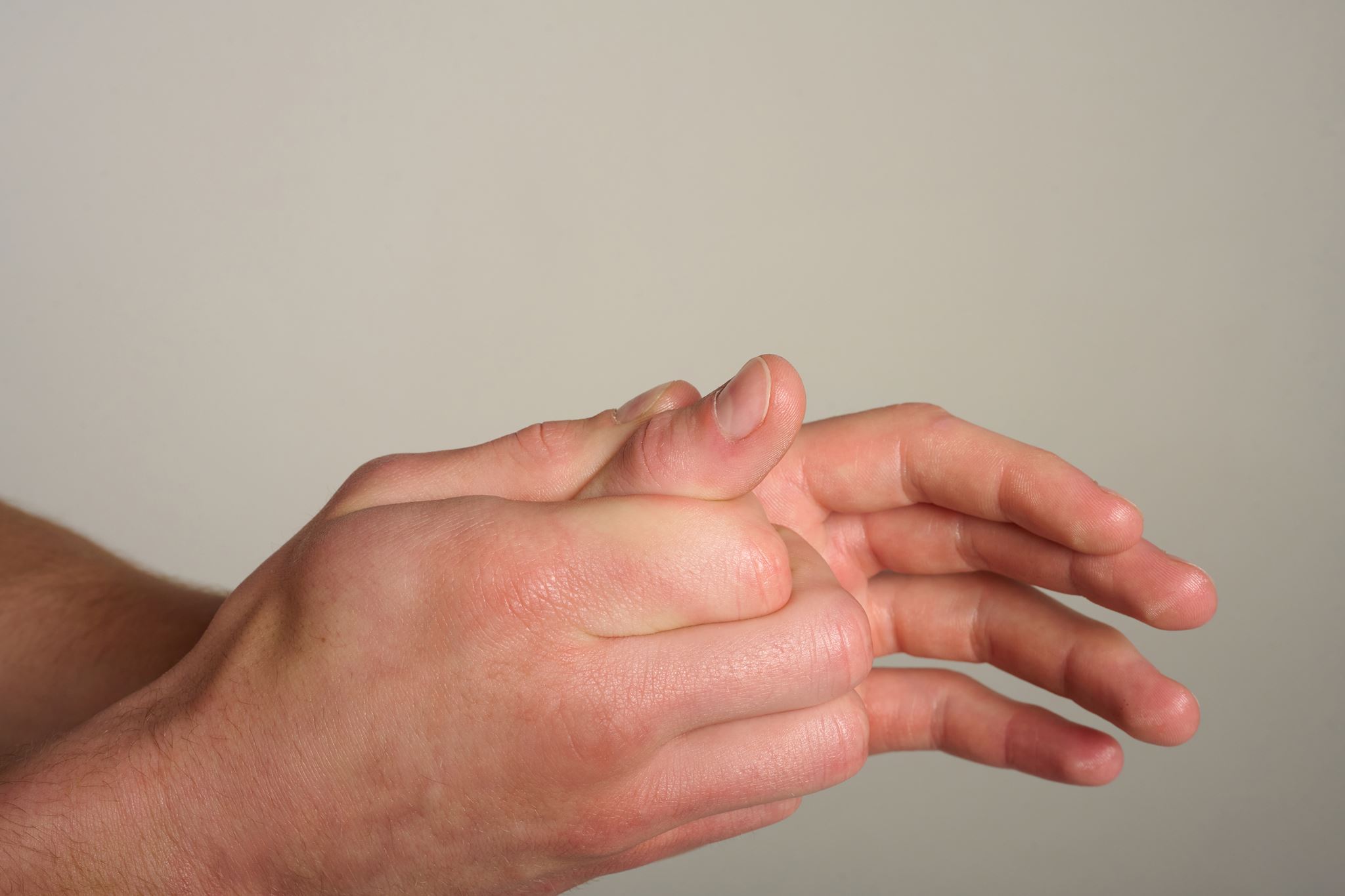
Trigger Finger
Tendons in the fingers can develop nodules over time that may catch in the finger, causing “trigger finger” where the finger locks in a bent position and then suddenly releases. It can be painful and may need treatment, which is often non-surgical but sometimes requires surgery.
Trigger finger is a condition that affects the smooth movement of a finger or thumb, causing it to catch, lock, or snap when bent or straightened. It occurs when a tendon in the finger becomes irritated or develops a small nodule, often as a result of long-term wear and tear. This can interfere with normal tendon movement through the fibrous tunnels (pulleys) in the finger.
Symptoms of trigger finger
Trigger finger can vary in severity and may affect one or multiple digits. Common symptoms include:
- Finger catching or locking in a bent position
- Sudden release or “clicking” sensation when straightening the finger
- Pain or tenderness at the base of the affected finger
- Stiffness, particularly in the morning
In more advanced cases, the finger may become stuck in a flexed position.
Non-surgical treatment options
In many cases, early or mild trigger finger can be managed without surgery. Non-surgical treatments may include:
- Activity modification
- Anti-inflammatory measures
- Splinting
- Steroid injections
These approaches aim to reduce inflammation and allow the tendon to move more freely.
When surgery may be recommended
If symptoms persist, recur, or significantly interfere with hand function, surgical treatment may be advised. Trigger finger release surgery is designed to permanently relieve tendon restriction and restore smooth finger movement.
Trigger finger release surgery
Trigger finger release surgery involves dividing a small fibrous band (the pulley) at the base of the affected finger. This creates more space for the tendon to move freely, reducing catching and locking.
The procedure is typically performed under local anaesthetic as a short day surgery. Many patients notice improvement in finger movement immediately following the procedure.
Recovery and outcomes
Recovery following trigger finger release surgery is usually straightforward. Mild swelling or soreness may occur initially, but hand movement is encouraged soon after surgery to prevent stiffness.
In most cases, symptom relief is long-lasting, and recurrence is uncommon.
Consultation and assessment
A consultation allows for evaluation of finger movement, assessment of symptom severity, and discussion of both non-surgical and surgical treatment options. The focus is on providing clear, factual information to help determine the most appropriate course of action based on individual symptoms and functional needs.
Frequently Asked Questions
Making the decision to undergo surgical procedures can be a difficult one, and there are many questions you may have. Please read the frequently asked questions below which may answer any queries or ease any concerns you may have.
Often in the early stages, treatment can be non-surgical and might only involve a steroid injection into the area causing problems. As symptoms worsen, surgical intervention might be more appropriate.
The trigger finger release surgery operation is a daycare procedure, performed under local anaesthetic. Once the area is numb, an incision is placed over the fibrous loop causing the trigger finger and released surgically. This often results in immediate improvement of the symptoms.
Our recommendation is not to as the trigger finger surgery involves your hand. Discomfort following the operation usually settles within a couple of days, after which you would normally be safe to drive.
Not normally. The incision needed is relatively small and often simply using your hand gently is all the physiotherapy you need afterward. If a physiotherapy referral is needed we can arrange that if requested.
Don’t just take our word for it
We combine expert surgical care with advanced non-surgical treatments in Newcastle.

Reviewed on TrustPilot & Google
Request A Consultation
Second Floor, The Jesmond,
Lyndhurst Avenue, Newcastle,
NE2 3HH
"*" indicates required fields