Eyelid Reshaping
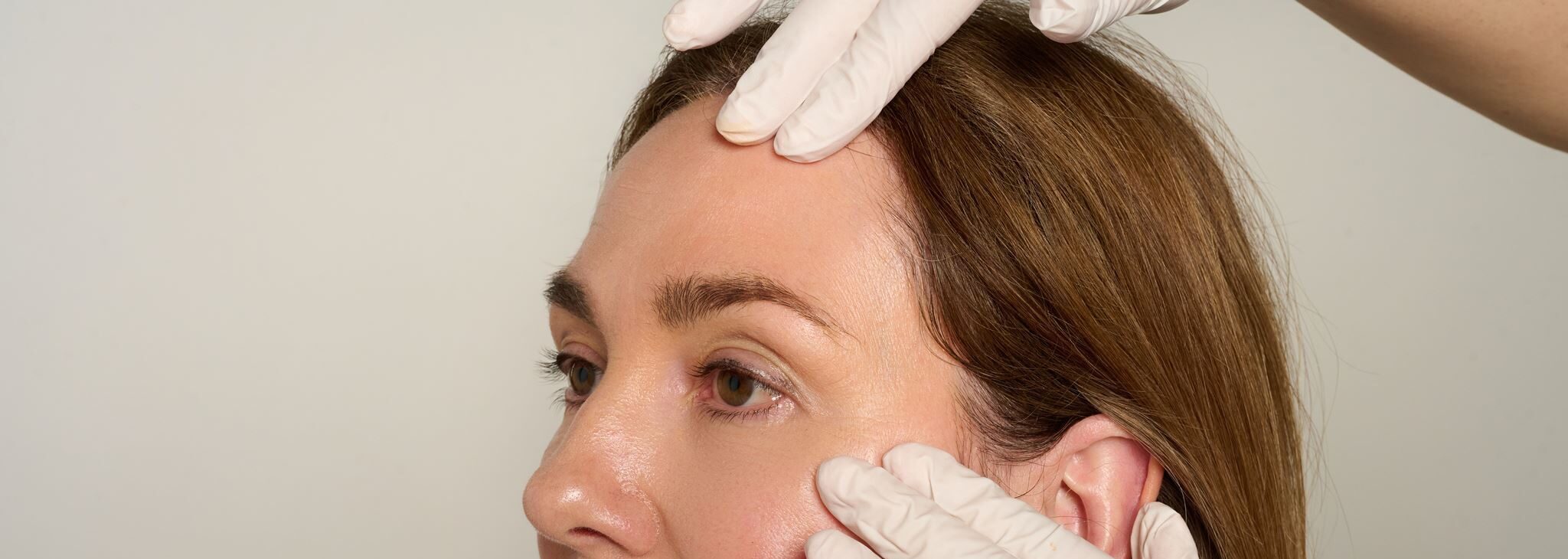
It is common for the eyelids to bulge or droop over time, sometimes even affecting vision. At LASE Cosmetic we can refresh your appearance by offering eyelid reshaping surgery. Otherwise known as blepharoplasty surgery, there are several procedures under this umbrella designed to rejuvenate the upper or lower eye area.
Eyelid surgery, medically known as blepharoplasty, is a procedure designed to address excess skin, fatty tissue, or drooping of the upper and/or lower eyelids. These changes commonly develop with age and can contribute to a tired appearance. In some cases, significant upper eyelid drooping may also affect peripheral vision. Severe lower eyelid laxity can also cause functional eye problems.
What blepharoplasty is designed to address
Blepharoplasty aims to improve the appearance and function of the eyelids by:
- Removing excess upper eyelid skin that may droop or fold
- Reducing bulging caused by fatty tissue in the upper or lower eyelids
- Improving heaviness or shadowing around the eyes
- Creating a smoother, more rested eye contour
The procedure is focused on rejuvenation of the eye area rather than altering eye shape.
Upper and lower eyelid surgery
Blepharoplasty may involve the upper eyelids, lower eyelids, or both, depending on individual concerns.
- Upper eyelid blepharoplasty is performed through an incision placed within the natural crease of the eyelid, helping to keep scars discreet once healed.
- Lower eyelid blepharoplasty is typically performed via an incision just below the lower lash line or within the conjunctiva, allowing access to excess skin and fatty tissue while minimising visible scarring.
The specific approach is tailored to anatomy, skin quality, and surgical goals.
Anaesthetic options
Upper eyelid surgery is most commonly performed under local anaesthetic, though general anaesthetic may also be used depending on patient preference, clinical factors, or whether blepharoplasty is combined with other procedures. Lower eyelids are commonly under general anaesthetic. Anaesthetic options are discussed in detail during consultation.
Combining blepharoplasty with other treatments
Blepharoplasty is often combined with other facial procedures where appropriate, including:
- Facelift surgery
- Brow lift surgery
- Canthoplasty or canthopexy (procedures that tighten or support the outer corner of the eye)
In addition, skin quality plays an important role in overall outcome. Regenerative and skin conditioning treatments may be discussed to support healing and improve skin texture, tone, and resilience following surgery.
Recovery and outcomes
Recovery times vary depending on whether upper, lower, or combined eyelid surgery is performed. Temporary swelling and bruising are common in the early stages and typically improve gradually over the following weeks.
Clear aftercare guidance and follow-up appointments support safe healing and allow outcomes to be monitored appropriately.
Consultation and assessment
A consultation allows for detailed assessment of eyelid anatomy, skin excess, and fat distribution. Surgical options are explained clearly, including expected outcomes, limitations, and whether eyelid surgery alone or in combination with other treatments would be most suitable.
The focus is on providing clear, factual information to support informed, measured decision-making around eyelid reshaping and facial rejuvenation.
Frequently Asked Questions
Please read the frequently asked questions below if you are interested in learning more about blepharoplasty.
Upper blepharoplasty is a surgical procedure that removes excess skin, fat, and sometimes muscle from the upper eyelids. It is done to improve appearance and function, especially if sagging skin distracts vision.
Lower blepharoplasty is a surgical procedure that targets the under-eye area to remove or reposition excess fat, smooth wrinkles, and reduce puffiness. It helps create a more refreshed appearance by eliminating under-eye bags and sagging skin.
Eyelid reshaping surgery (blepharoplasty) can refresh your appearance by restoring a more rested and balanced look to the eyes. By carefully removing or repositioning excess skin and fat from the upper and/or lower eyelids, the procedure can reduce drooping lids, minimise under-eye bags, smooth fine lines, and improve symmetry. For some patients, removing heavy upper eyelid skin can also improve vision.
Blepharoplasty may be suitable for people who want to refresh the appearance of their eyes or improve vision affected by excess eyelid skin. You may be a good candidate if you have drooping upper lids, under-eye puffiness, or tired-looking eyes, are in good overall health, and have realistic expectations about the results. Non-smokers, or those willing to stop smoking before and after surgery, typically heal best. In some cases, surgery may also improve vision if excess skin obstructs the upper eyelids.
Eyelid surgery is usually performed as a day-case procedure and takes around 1–2 hours, depending on the areas treated. After a detailed consultation and pre-operative assessment, surgery is carried out under local or general anaesthetic. Small incisions are carefully placed within the natural eyelid crease or beneath the lash line to remove or reposition excess skin and fat, with fine sutures used to minimise scarring. Following a short recovery period, you can return home the same day. Swelling and bruising are normal at first, but most patients return to normal activities within 7–10 days, with results continuing to improve over the following months.
Recovery from eyelid surgery is usually straightforward, with most patients returning to normal activities within 7–10 days. Swelling, bruising, mild discomfort, and temporary blurred vision are common in the first few days and can be managed with cold compresses, medication, and rest. Any stitches are usually removed within the first week. Most visible signs of surgery settle within 2–4 weeks, while swelling continues to improve over the following months as scars fade and results become more refined and natural-looking
After eyelid surgery, using cold compresses and resting with your head elevated can help reduce swelling and support healing. Avoid smoking and alcohol during recovery, and follow your surgeon’s eye care advice carefully. Contact lenses should be avoided for at least two weeks, although glasses can be worn as normal.
The results of eyelid surgery are long-lasting, although not completely permanent, as the natural ageing process continues over time. Most patients enjoy a noticeably fresher, more youthful appearance for many years, with upper eyelid surgery typically delivering results that last several years or longer, even though some skin laxity may gradually return with age. Lower eyelid surgery often offers particularly durable results, especially when under-eye fat is carefully removed or repositioned, with puffiness and bags rarely returning unless influenced by genetics or lifestyle factors.
The longevity of eyelid surgery results is influenced by ageing, genetics, and lifestyle factors. Protecting the eye area from sun exposure, maintaining a healthy lifestyle, avoiding smoking, and keeping your weight stable can all help preserve your results for longer.
We would suggest you choose a consultant plastic surgeon to perform your procedure. You can be sure of their credentials if they have FRCS (Fellow of the Royal College of Surgeons) after their name. All the surgeons at LASE Cosmetic are consultant plastic surgeons and hold the FRCS title.
Yes. Upper blepharoplasty is typically performed using local anaesthesia. While lower blepharoplasty can also be carried out under local anaesthesia, it may be more complex at times, leading to the use of general anaesthesia in certain cases.
The results from a blepharoplasty would normally be expected to last a few years. Over time though the tissues can relax and the process of aging might mean the original appearance recurs. In most cases repeat surgery can be considered. In severe cases, more than one stage might be planned from the outset.
During the first week after eyelid surgery, avoid bending, heavy lifting, and strenuous activity to reduce swelling and support healing. Light walking is encouraged, but more vigorous exercise should be avoided for around one month. Most patients can return to work after their sutures are removed, although some bruising and swelling may remain. Driving should be avoided until swelling has largely settled (usually after about a week).
Don’t just take our word for it
We combine expert surgical care with advanced non-surgical treatments in Newcastle.
Reviewed on TrustPilot & Google
Request A Consultation
Second Floor, The Jesmond,
Lyndhurst Avenue, Newcastle,
NE2 3HH
"*" indicates required fields