Skin Lesion Removal
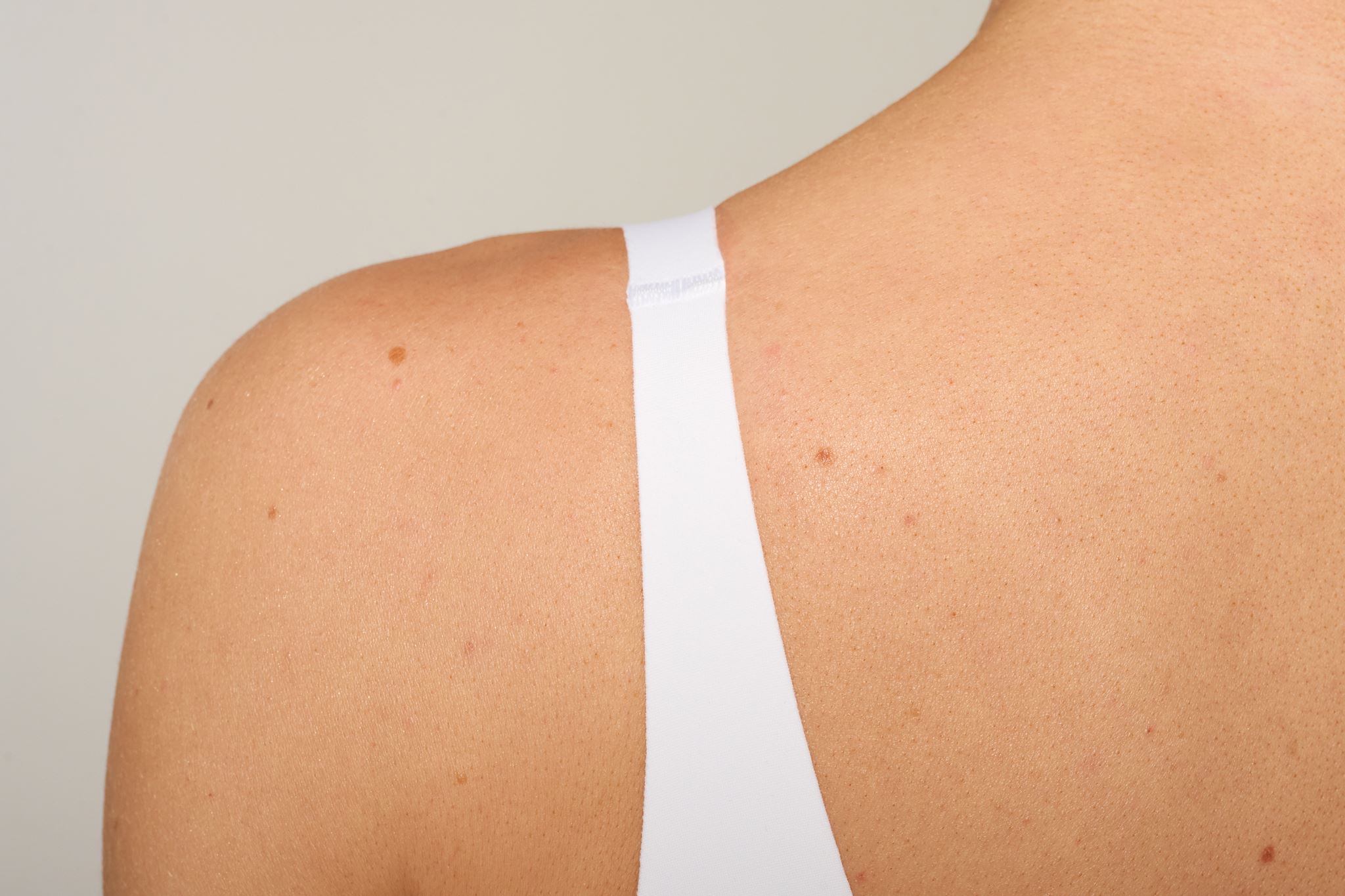
Skin lesions such as skin tags, moles, cysts and lipomas are often removed for aesthetic reasons. But other lesions may be of concern and need assessing by a skin cancer specialist.
All our consultant plastic surgeons are skin cancer experts and can assess your lesion using a dermatoscope, which is a visual aid used when examining and diagnosing lesions such as melanoma or other suspicious growths. We also have pathology diagnostic services available so your lesion can be tested for anything of concern, if required.
Skin lesion removal involves the assessment and treatment of a wide range of skin growths, including skin tags, moles, cysts, and lipomas. While many lesions are removed for aesthetic or practical reasons, others may require clinical evaluation to exclude underlying medical concerns.
Assessment of skin lesions
All skin lesions are assessed carefully before any treatment is recommended. Clinical examination may include the use of a dermatoscope, a specialised visual tool that allows detailed evaluation of skin structures not visible to the naked eye. This is particularly important when assessing pigmented or changing lesions that may require further investigation.
The assessment process focuses on:
- Lesion size, shape, and colour
- Recent changes in appearance
- Symptoms such as bleeding, irritation, or growth
- Personal or family history of skin cancer
Types of lesions commonly treated
Skin lesion removal may be considered for a variety of benign and suspicious lesions, including:
- Skin tags
- Moles
- Cysts
- Lipomas
- Other superficial or subcutaneous growths
The recommended approach depends on the type, location, and characteristics of the lesion.
Treatment approaches
Skin lesion removal can be performed as either:
- A non-surgical procedure, where appropriate, such as laser removal
- A minor surgical procedure, using local anaesthetic
The technique used is selected to ensure safe removal while aiming to minimise scarring where possible. Procedures are carried out in a clinical setting designed for minor surgery.
Histology and pathology testing
Where clinically indicated or requested, removed lesions can be sent for histological analysis. This laboratory testing examines the tissue under a microscope to confirm diagnosis and exclude malignancy.
If a lesion is found to be of concern, appropriate next steps are discussed. This may include further treatment, monitoring, or referral to NHS services where necessary.
Safety and follow-up
Clear aftercare instructions are provided following lesion removal to support healing and reduce the risk of infection or scarring. Follow-up may be arranged to review healing or discuss pathology results.
Consultation and referral
A consultation allows for professional assessment of skin lesions and discussion of whether removal is appropriate. Patients are guided through available options based on clinical findings, with clear explanation of risks, benefits, and limitations.
Where required, onward referral to specialist NHS services can be arranged by the clinical team, ensuring continuity of care and appropriate management.
Before & Afters
Below are some of the before & afters performed by consultants here at LASE Cosmetic.
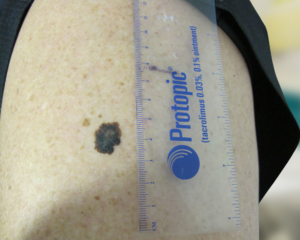
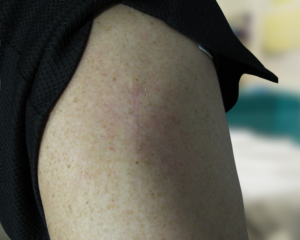
Consultant: Mr Ahmed Ali-Khan FRCS (Plast.)
Skin Lesion Removal
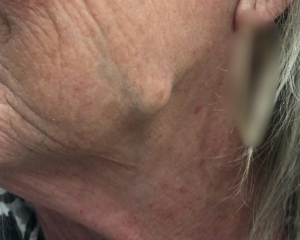
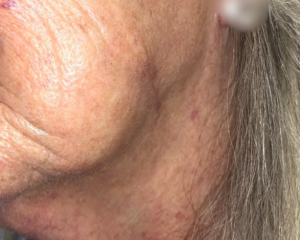
Consultant: Mr Ahmed Ali-Khan FRCS (Plast.)
Skin Lesion Removal
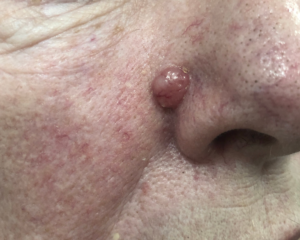
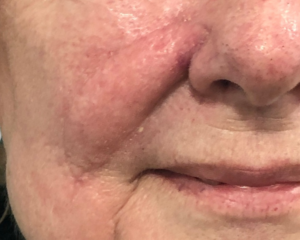
Consultant: Mr Ahmed Ali-Khan FRCS (Plast.)
Skin Lesion Removal
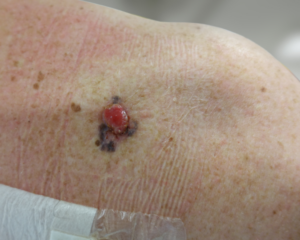
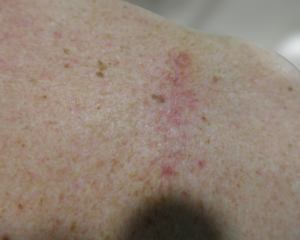
Consultant: Mr Ahmed Ali-Khan FRCS (Plast.)
Skin Lesion Removal
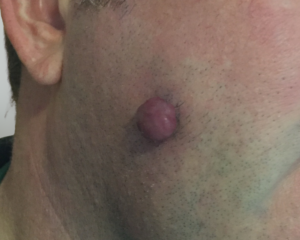
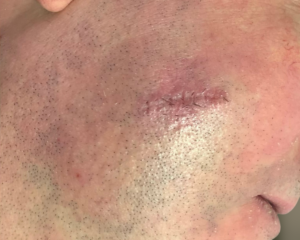
Consultant: Mr Ahmed Ali-Khan FRCS (Plast.)
Skin Lesion Removal
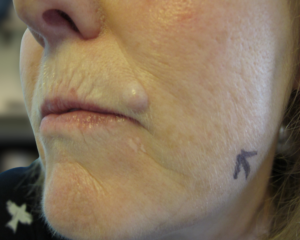
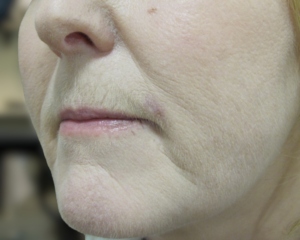
Consultant: Mr Ahmed Ali-Khan FRCS (Plast.)
Skin Lesion Removal
Frequently Asked Questions
Making the decision to undergo surgical procedures can be a difficult one, and there are many questions you may have. Please read the frequently asked questions below which may answer any queries or ease any concerns you may have.
A skin lesion may be a mole, skin tag, wart, cyst, actinic (solar) keratosis, seborrheic keratosis, lipoma. More suspicious lesions include basal cell carcinoma (BCC), squamous cell carcinoma (SCC) and melanoma.
Direct excision, shave excision, and laser removal are all performed under local anaesthetic, given via a small needle to minimise discomfort. Once it takes effect, the area is numb and you should feel no pain. Cryotherapy usually doesn’t require anaesthetic, as any discomfort is brief.
Normally, you should be able to drive home after a lesion removal procedure with local anaesthetic. Since this only numbs the area being treated and doesn’t affect your overall mental state or motor skills, you should feel fine to drive afterwards.
If you were having multiple lesions removed, your surgeon may advise you to organise transport after your procedure.
Once you have been assessed by one of our consultant plastic surgeons, they will discuss with you if they feel pathology is advisable. If so, the lesion is sent for analysis. Once we receive your result, your surgeon will convey the report to you.
The risks of lesion removal include infection, bleeding, pain, scarring at the site of the lesion, possible thick keloid scarring, incomplete excision or removal, reoccurrence, contour defects and hypo or hyperpigmentation.
Don’t just take our word for it
We combine expert surgical care with advanced non-surgical treatments in Newcastle.

Reviewed on TrustPilot & Google
Request A Consultation
Second Floor, The Jesmond,
Lyndhurst Avenue, Newcastle,
NE2 3HH
"*" indicates required fields