Polynucleotides
Polynucleotides, most commonly known as ‘salmon sperm’, are the fastest growing treatment in the medical aesthetic industry as they have an amazing ability to rejuvenate and regenerate the skin naturally. Polynucleotides are renowned for their wound healing and bio stimulating properties.
Polynucleotides are a regenerative injectable treatment used to improve skin quality by supporting repair and renewal at a cellular level. Rather than adding volume or altering muscle movement, polynucleotides work by stimulating the skin’s natural regenerative processes. They are increasingly used in medical aesthetics to address skin texture, elasticity, tone, and overall skin health.
What are polynucleotides?
Polynucleotides are naturally occurring molecules made up of repeating units of sugars and phosphate groups. They are fragments of DNA and RNA and play a role in cellular repair and regeneration.
In medical aesthetics, polynucleotides are used in injectable form to support:
- Tissue repair
- Cellular turnover
- Improved skin resilience
They have a long history of use in wider medical fields, including wound healing and tissue repair, prior to their application in aesthetic medicine. Their use is supported by a substantial body of clinical research.
How do polynucleotides work?
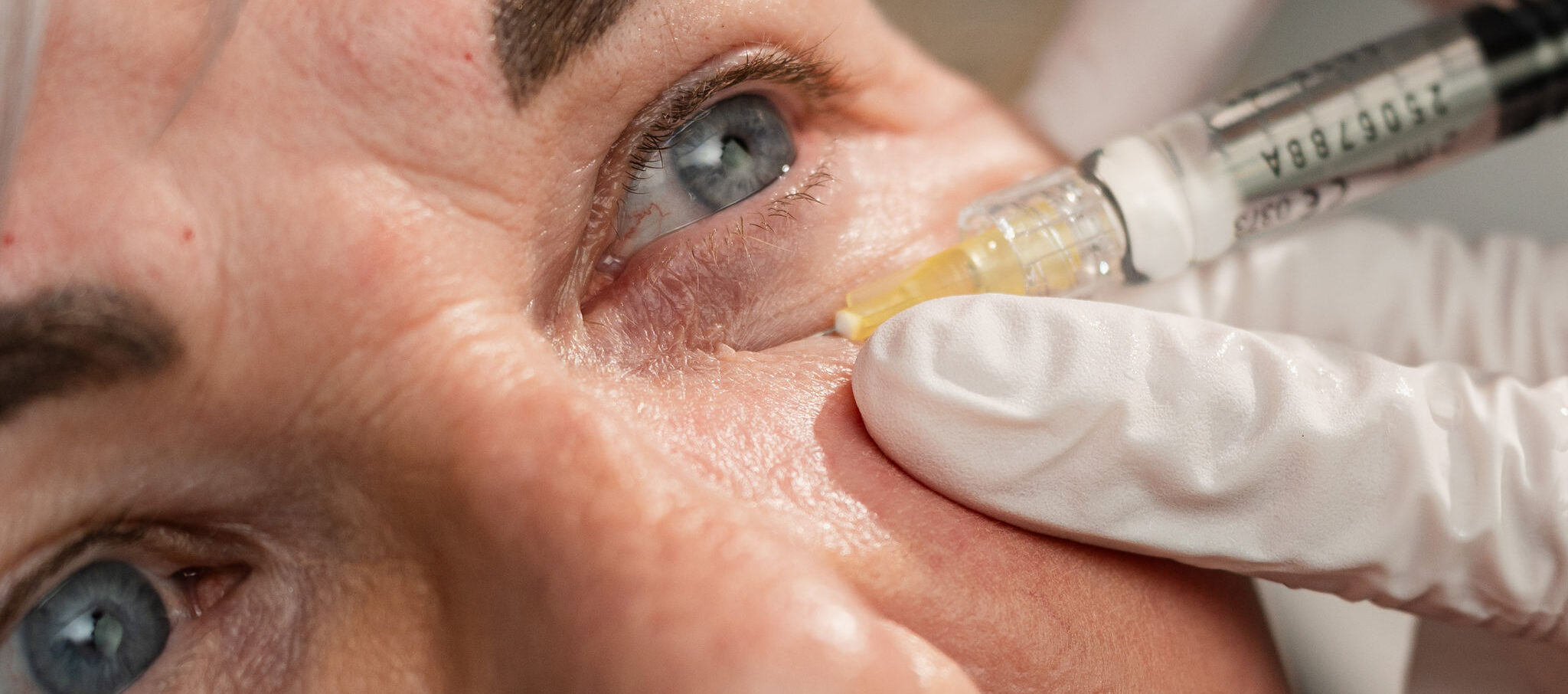
When injected into the dermal layer of the skin, polynucleotides:
- Stimulate fibroblasts, the cells responsible for producing collagen and elastin
- Encourage tissue repair and regeneration
- Improve skin elasticity and firmness over time
- Help reduce inflammation within the skin
- Support more even pigmentation by balancing melanocyte activity
Rather than producing an immediate volumising effect, polynucleotides work gradually by improving the skin’s biological environment and function.
Plinest® polynucleotides
At LASE Cosmetic, polynucleotide treatments are performed using Plinest, a product developed by Mastelli and distributed in the UK by DermaFocus.
Plinest is derived from highly purified salmon trout DNA and is manufactured to medical-grade standards. The purification process removes proteins and impurities, leaving biologically active polynucleotide chains suitable for injectable use.
What polynucleotide treatments are designed to address
Polynucleotide therapy may be considered to improve:
- Skin texture and elasticity
- Fine lines related to skin quality
- Dull or uneven skin tone
- Skin resilience and hydration
- Signs of inflammation or environmental skin damage
They are commonly used on the face but may also be suitable for other areas where skin quality is a concern.
Treatment experience and results
Polynucleotide injections are typically administered over a course of treatments rather than as a one-off procedure. Improvements in skin quality develop gradually as collagen and elastin production increases and tissue repair takes place.
Results are often described as:
- Improved skin firmness
- Better elasticity
- More even tone
- Healthier overall skin appearance
Because the treatment helps your body heal naturally, results improve over time.
Polynucleotides vs other injectable treatments
Polynucleotides differ from other injectables in purpose and mechanism:
- Polynucleotides focus on regeneration and skin quality
- Dermal fillers restore volume and contour
- Anti-wrinkle treatments reduce muscle activity
These treatments may be used independently or as part of a broader skin or facial rejuvenation plan, depending on individual needs.
Consultation and assessment
A consultation allows for assessment of skin condition, discussion of treatment goals, and explanation of whether polynucleotide therapy is appropriate. Treatment plans are based on skin biology, concerns, and realistic expectations.
The emphasis is on clear, factual information and a measured, evidence-led approach to regenerative skin treatment.
Frequently Asked Questions
Please read the frequently asked questions below which may answer any queries or ease any concerns you may have.
Polynucleotides are used to treat skin laxity, fine lines and wrinkles, and some skin conditions such as rosacea and eczema. They are also used to treat acne scarring, post-surgical scars and assist in wound healing. Within our LASE Intense Hair range of treatments, polynucleotides can be used in the scalp to treat thinning hair and promote healthy hair growth. At LASE, we use polynucleotides in combination with other biostimulating treatments to provide powerful and effective solutions for the majority of concerns. Our LASE Intense Skin range of treatments are a combination of targeted solutions prescribed to each individual on a bespoke basis. Treatments are carried out around 2-4 weeks apart and a course of treatments is recommended.
Biologically, polynucleotides are long chains of nucleotides. DNA and RNA are types of polynucleotides with specific biological functions.
Polynucleotides used in aesthetic treatments are highly purified DNA fractions derived from salmon trout.
They help with cellular repair and regeneration, moisturisation, and protection against harmful external agents such as UV rays.
The polynucleotide chains attract and bind water molecules, allowing them to provide a strong moisturising effect, which contributes to improved tissue elasticity.
Polynucleotides have a remarkable anti-free radical action. They counteract the skin damage which can accumulate due to various stressors, including cellular damage, stress, and exposure to UV rays, giving them a protective and cell damage reduction role.
Polynucleotides create an optimal environment for fibroblast growth and, in turn, increase collagen and elastin in the skin, which results in an overall improvement in the condition of the skin.
This multifaceted functioning classifies polynucleotides as a regenerative treatment, offering a unique and innovative approach in the field of skin care and rejuvenation.
They can be injected with a needle or with a cannula depending on the area treated and depending on the practitioner’s preference.
A course of 3 to 4 treatments, 3 to 4 weeks apart is recommended. For hair restoration a course of eight treatments is recommended. Maintenance treatments are recommended twice a year.
Polynucleotides be injected in any area of skin.
- Skin revitalisation to combat general signs of ageing
- Acne
- Scarring and post surgical scarring
- Rehydration for dull skin at any age
- Rosacea and eczema
- Loose and sagging skin
- Alopecia/hair loss
- Hyperpigmentation
- Stretch marks
- Deep lines & wrinkles
Risks are usually minimal and may include temporary redness or mild discomfort at the injection site. As these treatments use naturally derived substances, the risk of allergic reactions is significantly reduced.
Polynucleotides injections can sting, so we prep the skin with numbing cream and then apply cool packs immediately prior to injecting. This significantly reduces any discomfort. The treatment only takes minutes to administer too, so any stinging is very short-lived.
Polynucleotides are injected very superficially into the skin, so small bumps are visible immediately after treatment. In the clinic, we gently smooth these with a cotton bud to reduce their appearance. Some redness, minor bleeding, needle marks, or bruising can occur and may last a few days. Needle marks can usually be covered with makeup the next day. Most people can return to normal activities quickly, but it’s best to avoid important social events for a few days while the skin settles.
All regenerative treatments require a course of treatments and work best in combination rather than stand-alone treatments. It takes collagen around 3 months to remodel so results will build up over time.
Don’t just take our word for it
We combine expert surgical care with advanced non-surgical treatments in Newcastle.

Reviewed on TrustPilot & Google
Request A Consultation
Second Floor, The Jesmond,
Lyndhurst Avenue, Newcastle,
NE2 3HH
"*" indicates required fields