Facial Fat Transfer
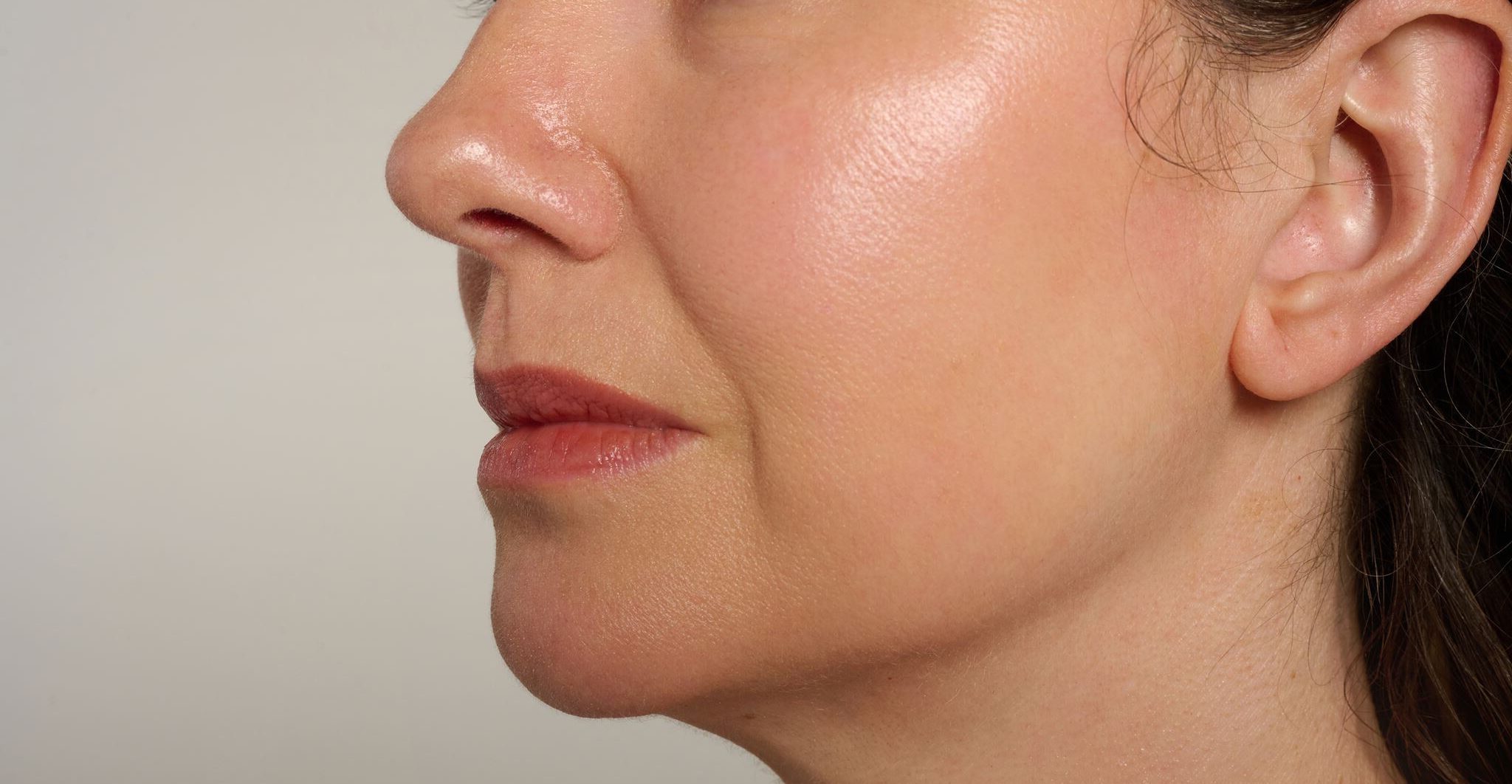
As we age, parts of the face begin to require more fullness. This may be by filling a hollow area or redefining volume in specific areas. What better or safer material to use than your own tissue? We offer facial fat transfer as a method of anti-ageing and skin rejuvenation that uses your own fat cells to provide volume to areas of the face where it’s lacking.
Facial fat transfer is a facial rejuvenation procedure designed to restore volume to areas of the face that have become hollow or less defined over time. Age-related volume loss commonly affects areas such as the cheeks, temples, and jawline, contributing to a tired or flattened appearance.
Facial fat transfer uses the patient’s own fat cells to replenish volume, making it a tissue-based approach to facial rejuvenation rather than the use of synthetic fillers.
What facial fat transfer is designed to address
Facial fat transfer aims to:
- Restore volume to hollow areas of the face
- Improve contour in regions such as the cheeks and jawline
- Improve facial balance and proportion
- Support a more refreshed appearance
The procedure focuses on volume restoration rather than tightening skin or altering facial expression.
How facial fat transfer works
Facial fat transfer involves three main stages:
- Fat harvesting – Fat is removed from a donor area of the body using gentle liposuction techniques.
- Fat processing – The harvested fat is prepared to isolate healthy fat cells.
- Fat placement – The fat is carefully injected into targeted areas of the face to restore volume and contour.
Because the procedure uses the patient’s own tissue, no foreign materials are introduced.
Areas commonly treated
Facial fat transfer may be used to add volume or contour to several facial regions, including:
- Cheeks
- Jawline
- Temples
- Under-eye hollows
- Nasolabial folds
The specific areas treated depend on individual anatomy and goals.
Facial fat transfer vs dermal fillers
Facial fat transfer and dermal fillers restore facial volume, but they differ in method and longevity. Fat transfer uses your own tissue and can last longer in suitable cases, while dermal fillers are non-surgical, adjustable treatments that may need regular top-ups.
During consultation, both options may be discussed to determine which approach is most appropriate based on goals, anatomy, and recovery considerations.
Combining facial fat transfer with other procedures
Facial fat transfer can be performed as a stand-alone procedure or alongside other facial surgeries, such as facelift surgery, to improve overall facial rejuvenation. Combining procedures is considered where it supports balanced results and appropriate recovery.
Recovery and aftercare
Recovery depends on the treatment area and amount of fat transferred. Swelling and bruising are normal and gradually improve over time. Not all transferred fat will survive long-term, which is discussed during planning. Follow-up appointments are used to monitor results and plan further treatment if needed.
Consultation and assessment
A consultation allows for assessment of facial volume, skin quality, and suitability for fat transfer. Surgical options are explained clearly, including benefits, limitations, and alternative treatments.
The focus is on providing clear, evidence-based information to support informed, measured decision-making about facial fat transfer and facial rejuvenation options.
Frequently Asked Questions
Making the decision to undergo surgical procedures can be a difficult one, and there are many questions you may have. Please read the frequently asked questions below which may answer any queries or ease any concerns you may have.
This type of facial rejuvenation surgery is usually deemed suitable for men and women over 40, although younger patients can be considered in certain circumstances. Prospective patients should be healthy and are looking to subtly contour and reshape the face and/or improve volume.
Before facial fat transfer, you’ll have a consultation where your practitioner explains the procedure, benefits, risks, and side effects. The treatment involves removing fat from one area of the body, often the abdomen, and transferring it to the face (or body in liposculpture). Treatment time varies depending on the areas treated and the amount of fat needed.
An overnight stay is occasionally needed, but you will be seen before you’re allowed home to recover further. Some swelling and bruising is normal but painkillers can be given to manage any discomfort.
Generally, patients take around 4-6 weeks to recover initially, but this varies from patient to patient. The swelling and bruising can last for some weeks after this, and it’s good to be prepared for that. You will also be given aftercare with regards to how to ensure the new fat cells remain alive.
Results cannot be guaranteed, so it’s important to be mindful of your expectations and take any advice offered with regards to preparing for the procedure and the aftercare that’s also needed.
At LASE Cosmetic in Newcastle we offer facial fat transfer procedures and have a team of experts who specialise in this form of anti-ageing surgery. If you decide to go ahead with this procedure, a practitioner will give you advice on how best to move forward.
If you’d like to contact us or arrange a consultation, we’re happy to help, including with facial fat transfer costs. You can also explore our other anti-ageing treatments, including non-surgical options and facelift surgery, to understand the full range available.
Don’t just take our word for it
We combine expert surgical care with advanced non-surgical treatments in Newcastle.
Reviewed on TrustPilot & Google
Request A Consultation
Second Floor, The Jesmond,
Lyndhurst Avenue, Newcastle,
NE2 3HH
"*" indicates required fields