
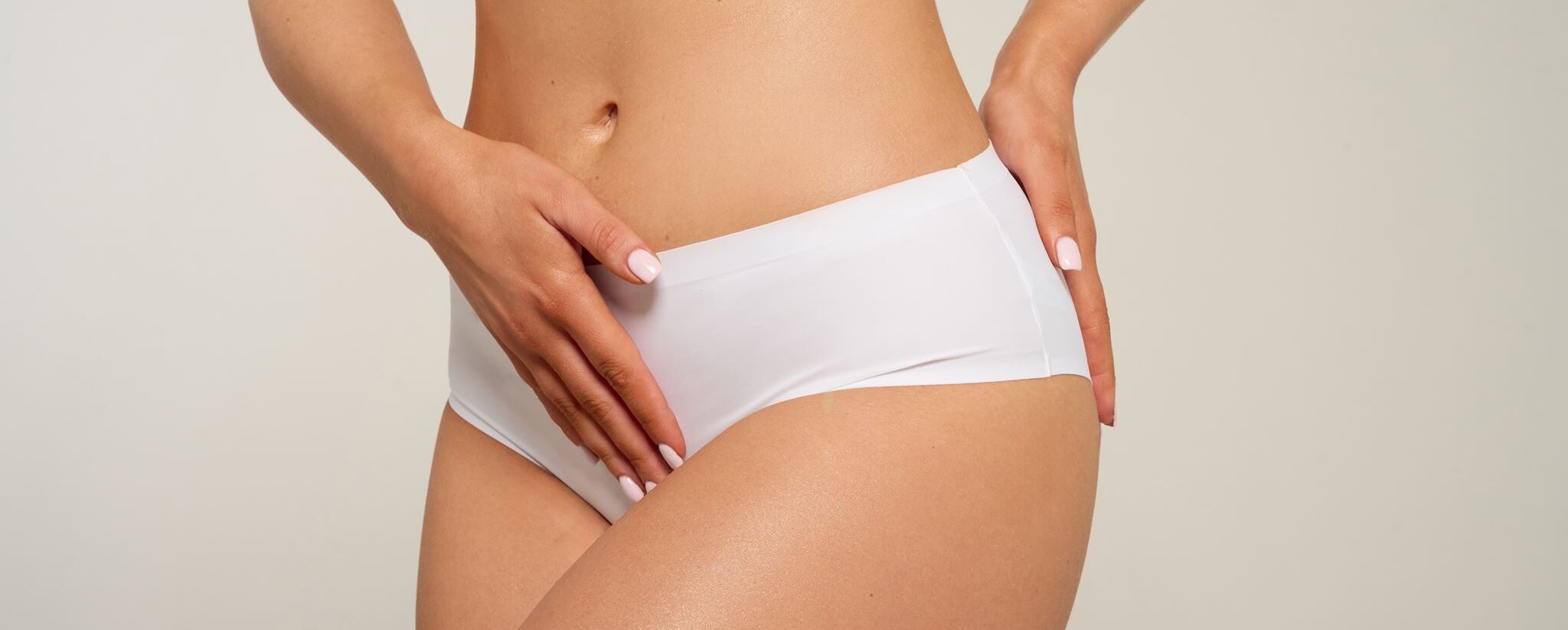
Labiaplasty Surgery
Labiaplasty is a highly personal procedure designed to address both functional and aesthetic concerns. Changes to this area may be present naturally or develop over time, including following pregnancy and childbirth. Treatment can help improve comfort and restore balance where there are noticeable differences in shape or symmetry.
Labiaplasty is a surgical procedure designed to reduce and reshape the labia, addressing functional, anatomical, or aesthetic concerns. Variations in labial size, shape, or symmetry are common and may be present naturally or develop over time, including following pregnancy and childbirth.
The procedure may be considered where labial tissue causes physical discomfort, irritation, or difficulties with clothing and exercise, as well as in cases where asymmetry or appearance is a concern.
What labiaplasty involves
Labiaplasty typically focuses on reducing excess labial tissue and improving proportion and symmetry, while preserving natural anatomy and function. The specific surgical technique used depends on:
- Individual anatomy
- Degree of tissue excess
- Functional concerns
- Desired outcome
These factors are carefully assessed during consultation to determine the most appropriate approach.
Why Patients Choose Labiaplasty
Patients seek labiaplasty for a variety of reasons, which may include:
- Discomfort during exercise or daily activities
- Irritation or soreness
- Changes following pregnancy or childbirth
- Noticeable asymmetry
- Personal concerns relating to appearance
There is no single “normal,” and consultation discussions focus on individual concerns rather than comparison to external standards.
Anaesthetic options
Labiaplasty can be performed under either local anaesthetic or general anaesthetic. The choice depends on patient preference, clinical suitability, and the extent of the procedure. These options are explained in detail during consultation to ensure patients understand what each involves.
Results and longevity
The results of labiaplasty are considered permanent, although natural changes to the body may still occur over time. As with all surgical procedures, healing varies between individuals and forms an important part of the overall treatment plan.
Consultation and privacy
Consultations for labiaplasty are conducted with discretion and care. Chaperoned appointments are available to ensure patients feel supported and comfortable discussing what can be a very personal concern.
The consultation gives patients the opportunity to explore whether the procedure is right for them, understand what results can be expected, and review any potential risks.
Frequently Asked Questions
Making the decision to undergo surgical procedures can be a difficult one, and there are many questions you may have. Please read the frequently asked questions below which may answer any queries or ease any concerns you may have.
In most cases our labiaplasty surgery will be completed in less than an hour.
Normally patients are comfortable enough to return home the same day, but circumstances might mean an overnight stay is preferable. A day or two of rest and most activity can be returned to within a week or two. Very strenuous activity might be best avoided for a month.
This will be discussed with your surgeon and will depend on what your concerns involve. The two most common techniques are often referred to as the ‘trim’ and ‘wedge’ techniques. They are both appropriate for different reasons and should be discussed with your chosen surgeon.
At LASE we only offer the surgery to women over 18 years old. Our surgeons will listen to your concerns and examine you with a chaperone present. They will then discuss suitable options for your consideration.
The operation should not hurt. When performed under a general anaesthetic there is no discomfort during the procedure. If performed under a local anaesthetic, there will be some discomfort as the local anaesthetic is administered. This is usually tolerated very well and the surgery itself should be pain free.
At LASE Cosmetic, all our UK-trained consultant plastic surgeons are highly experienced in performing labiaplasty.
Contact us if you would like to arrange a consultation with one of our experts.
All surgeons will advise slightly different timescales for various activities to resume after labiaplasty depending on how well healed it is at that stage. This will be discussed with you by your chosen surgeon. Our lead surgeon, Mr Ali-Khan, usually informs his patients that tissues have healed sufficiently for gentle activity to resume within the first couple of weeks. Sutures have usually dissolved by that time. Vigorous activity such as exercise or sexual activity should be avoided for a month after surgery.
All surgery results in discomfort and, in some cases, pain. Our patients are provided with pain relief that they take home after labiaplasty, which is normally a day surgery procedure. In most cases discomfort after surgery is well tolerated, does not interfere with sleep and is less than patients expect before the surgery.
Removal of any tissue can result in nerves being cut as a cause of nerve damage. In most cases however nerve damage is a low risk in labial reduction surgery. An exception is clitoral hood reduction where nerve damage is a greater risk as the nerves are very superficial and can be damaged by the procedure.
We do not advise any specific manner of sleeping after labiaplasty. Whatever position you are most comfortable in is usually acceptable.
Each surgeon will have a slightly different protocol which can be discussed at your consultation. Mr Ali-Khan, our lead surgeon, advises surgery and sexual activity can usually be resumed a month after surgery.
Don’t just take our word for it
We combine expert surgical care with advanced non-surgical treatments in Newcastle.

Reviewed on TrustPilot & Google
Request A Consultation
Second Floor, The Jesmond,
Lyndhurst Avenue, Newcastle,
NE2 3HH
"*" indicates required fields