Eyelid Surgery Recovery Time: What to Expect After Blepharoplasty
If you’ve been researching eyelid surgery (also known as blepharoplasty), but you have questions about eyelid surgery recovery time, keep reading.
This is a quick, effective procedure that helps remove excess skin from drooping or sagging eyelids. You can have either upper blepharoplasty which targets your upper eyelid, or lower blepharoplasty which targets your low eyelids.
Both types of surgery aim to create a fresher, more radiant appearance by removing excess fat which can lead to eyes looking worn and tired.
As with any procedure, there are key things to note before you make a decision. This includes recovery time as you want to be able to plan your life after surgery and understand what you can / can’t do immediately.
In this complete guide, we’ll be exploring the typical recovery period and what you can expect. We’ll also be discussing possible side effects and tips on making sure any swelling or bruising is managed properly so you can get back to your normal routine.
What Is Eyelid Surgery?
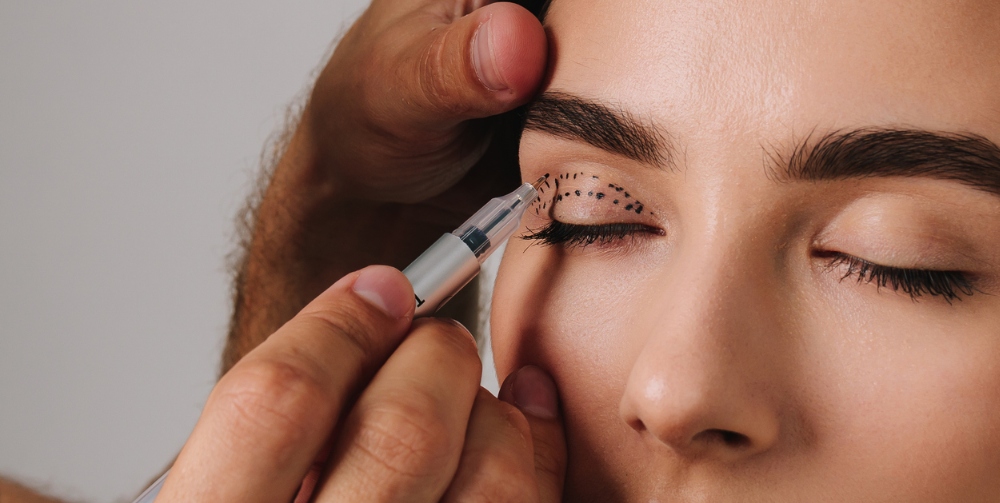
Eyelid surgery involves removing excess skin from your upper or lower eyelid which might have caused a sagging or dropping appearance. It’s an effective way of improving hooded upper eyelids (upper blepharoplasty) and reducing eye bags (lower blepharoplasty).
There are many reasons why skin starts to sag around the eye such as age, sun damage, weakening muscles, genetics, and lifestyle habits (such as smoking and lack of sleep).
Often the area around the eyes is the first to start sagging and showing noticeable signs of aging (including fine lines) as the skin is so thin. This means it loses structure over time which can make your appearance more tired. Not only is this an aesthetic concern but it can also cause issues with peripheral vision if the upper eyelid bulges or droops down. Severe lower eyelid laxity can also cause functional eye problems.
Loose skin around the eyes is a common concern. A 2024 study published in International Ophthalmology found that dermatochalasis (excess/sagging eyelid skin) affected 12.7% of the 36,762 adults studied, with prevalence increasing with age.
What Happens After Eyelid Surgery?
There are often two different types of stitches used in eyelid surgery: dissolvable stitches which gradually break down and disappear, and non-dissolvable stitches which need to be removed by a surgeon.
If you have non-dissolvable stitches, they’ll usually remain in your eyelids for around a week. At that point, you’ll have another appointment to check how your eyelids are healing and carefully remove the stitches.
For lower blepharoplasty, stitches may not be required if the incisions are made on the inside of your eyelids, just under your lower lash line. This means the surgeon can access and remove / reposition excess fat without leaving a scar.
Whilst the area is healing, it’s advisable to stay at home so you can relax and recover properly.
How Long Does Blepharoplasty Last?
Blepharoplasty won’t stop your eyes from aging as this is a natural process. That said, the results of the procedure are designed to last a long time, with most patients enjoying a noticeably fresher appearance for many years.
The results of upper eyelid surgery typically last several years or longer, even though some skin laxity may gradually return with age. Lower eyelid surgery also offers long-lasting results, especially if your under-eye fat is carefully removed / repositioned, with puffiness and bags rarely returning unless it’s down to genetics or lifestyle factors.
Can You Have Blepharoplasty Twice?
The tissue surrounding the eye area can relax over the course of a few years. If this happens and you’re considering undergoing the surgery again, speak to a surgeon first.
Often repeat surgery is possible, and in more severe cases, more than one stage might be planned from the outset. This gives you a complete timeline and plan of what surgery is expected to take place and when.
Need Help Deciding Which Treatment Is Right For You?
Book your consultation with our experts here.
What Is the Eyelid Surgery Recovery Time?
Eyelid surgery recovery time is relatively quick but it is advisable to take 2 weeks off work, or at a minimum, to work from home. That’s because you won’t be able to drive while the swelling is healing and your vision may be temporarily blurred or affected. However this should ease and can be managed with cold compresses, medication, and rest.
Furthermore, taking some time at home can aid your recovery and your confidence, allowing visible signs of swelling and redness to fade. From the comfort of your own home you can make sure the area is kept clean and free of products such as makeup.
It’s also important that you avoid strenuous activities or exercise as this can increase blood flow to the area, potentially worsening swelling.
Furthermore avoid smoking during your recovery as it can slow down the healing process. Wearing glasses instead of contact lenses is also recommended if you need help with your vision, as this avoids you touching or irritating the eye area.
How Can I Help the Recovery Process?
Recovery from eyelid surgery is generally straightforward, with most patients returning to normal activities within 7-10 days. Swelling, bruising, mild discomfort, and temporary blurred vision are normal in the first few days after surgery and can be managed by following the below:
- Sleep with your head propped up to help reduce swelling around the eye area.
- Keep the area clean by using gentle ingredients and clean water, avoiding harsh or fragranced products.
- Wear sunglasses to protect your eyes from UV damage and bright lights as your eyes might be more sensitive.
- Use a cold compress such as an ice pack wrapped in a clean cloth to soothe any swelling.
- Take over-the-counter painkillers to reduce any pain or discomfort, as advised by your surgeon.
- Have plenty of rest so your body has more energy to heal. This is particularly important during the first few days after surgery.
- Avoid smoking and alcohol during the recovery period and follow your surgeon’s eye guidance carefully.
- During the first week after eyelid surgery, avoid bending, heavy lifting, and strenuous activity to reduce swelling.
- Light walking is encouraged, but more vigorous exercise should be avoided for around one month.

Are There Any Side Effects of Eyelid Recovery Surgery?
As with any type of surgery, there are some side effects. However knowing these ahead of treatment can give you an idea of what to expect and also how to manage any side effects better.
At LASE Cosmetic, patient safety is our priority. With any treatment offered at our plastic surgery hospital in Newcastle, we offer clear guidance to help people make the right decision for them.
Some typical side effects of eyelid surgery include:
- Puffy eyelids
- Tight or numb eyelids
- Irritated, sensitive or watery eyes
- Redness, bruising, and swelling
- Some scarring (however this should fade)
- Temporary blurred or affected vision
What Are the Results of Blepharoplasty?
People who’ve had blepharoplasty usually say they feel happier and more confident as a result of the surgery. Since you’re removing excess fat or muscle either above or below your eyelids (or both), your appearance can look brighter and more awake.
For many patients, results are long-lasting and they may never have the surgery again. If repeat surgery is needed, this can be discussed with your chosen surgeon to help you maintain your desired results.
As the recovery period is relatively quick with bruising and swelling typically reducing after a week or so, there is no need to take weeks off work. This is advantageous to many people looking for convenience.
Eyelid Surgery FAQs
Blepharoplasty is often combined with other facial procedures where appropriate, including facelift surgery, brow lift surgery, and canthoplasty or canthopexy (procedures that tighten or support the outer corner of the eye).
We would suggest you choose a consultant plastic surgeon to perform your procedure. You can be sure of their credentials if they have FRCS (Fellow of the Royal College of Surgeons) after their name. All the surgeons at LASE Cosmetic are consultant plastic surgeons and hold the FRCS title.
Yes. Upper blepharoplasty is typically performed using local anaesthesia. While lower blepharoplasty can also be carried out under local anaesthesia, it may be more complex at times, leading to the use of general anaesthesia in certain cases.
Eyelid Surgery Recovery Time: What to Expect After Blepharoplasty
If you’ve been considering eyelid surgery, but had questions around recovery, we hope this guide has helped you make an informed decision.
There are lots of benefits of this procedure, helping you rejuvenate your appearance without a long period of downtime. By following the advice in this blog, backed by insights from a team with over 40 years combined experience in surgical and non-surgical treatments, you can enjoy a speedy recovery.
At LASE Cosmetic, helping patients find the right treatment for their goals and concerns is our priority. We offer a range of surgical and non-surgical treatments from our plastic surgery hospital in Newcastle, operating from a CQC-certified environment. This gives you peace of mind that all treatments are carried out to the highest standards of clinical care. Book your one-to-one consultation here to discuss your different options.
Need Help Deciding Which Treatment Is Right For You?
Book your consultation with our experts here.